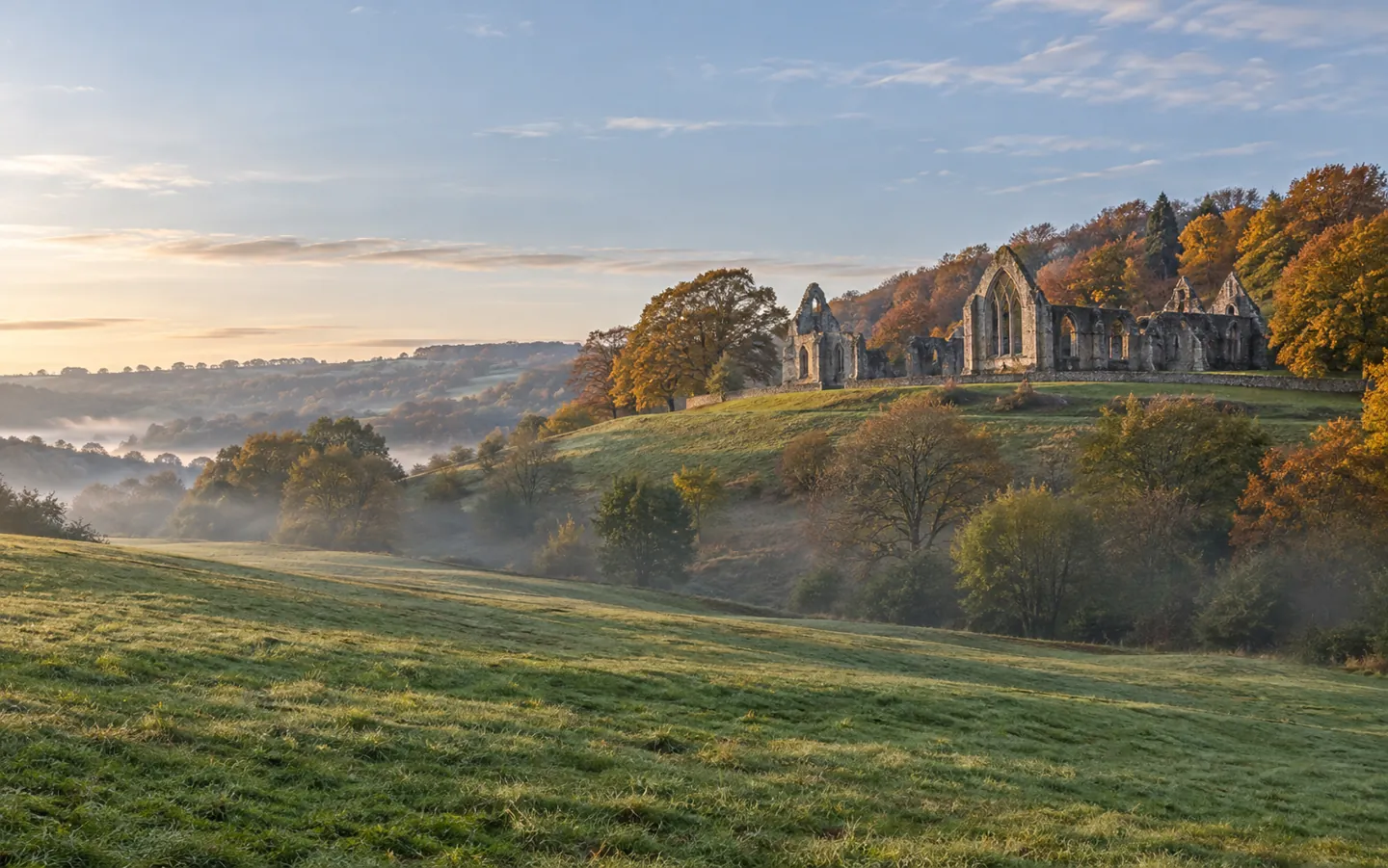
It was fought on 14 October 1066 near what is now the town of Battle. Almost a thousand years on, our picture of it rests on an embroidery, a handful of chronicles and a hillside in East Sussex. Here is what each can tell us.
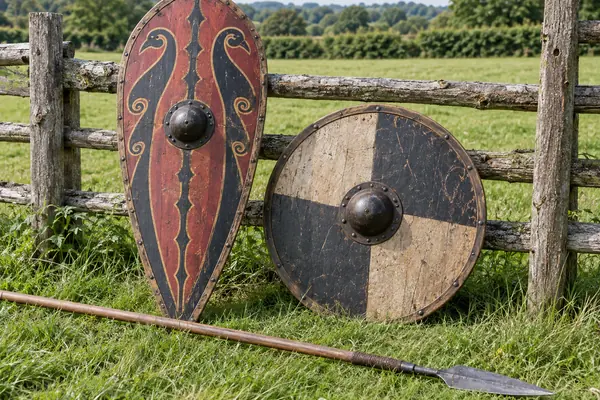
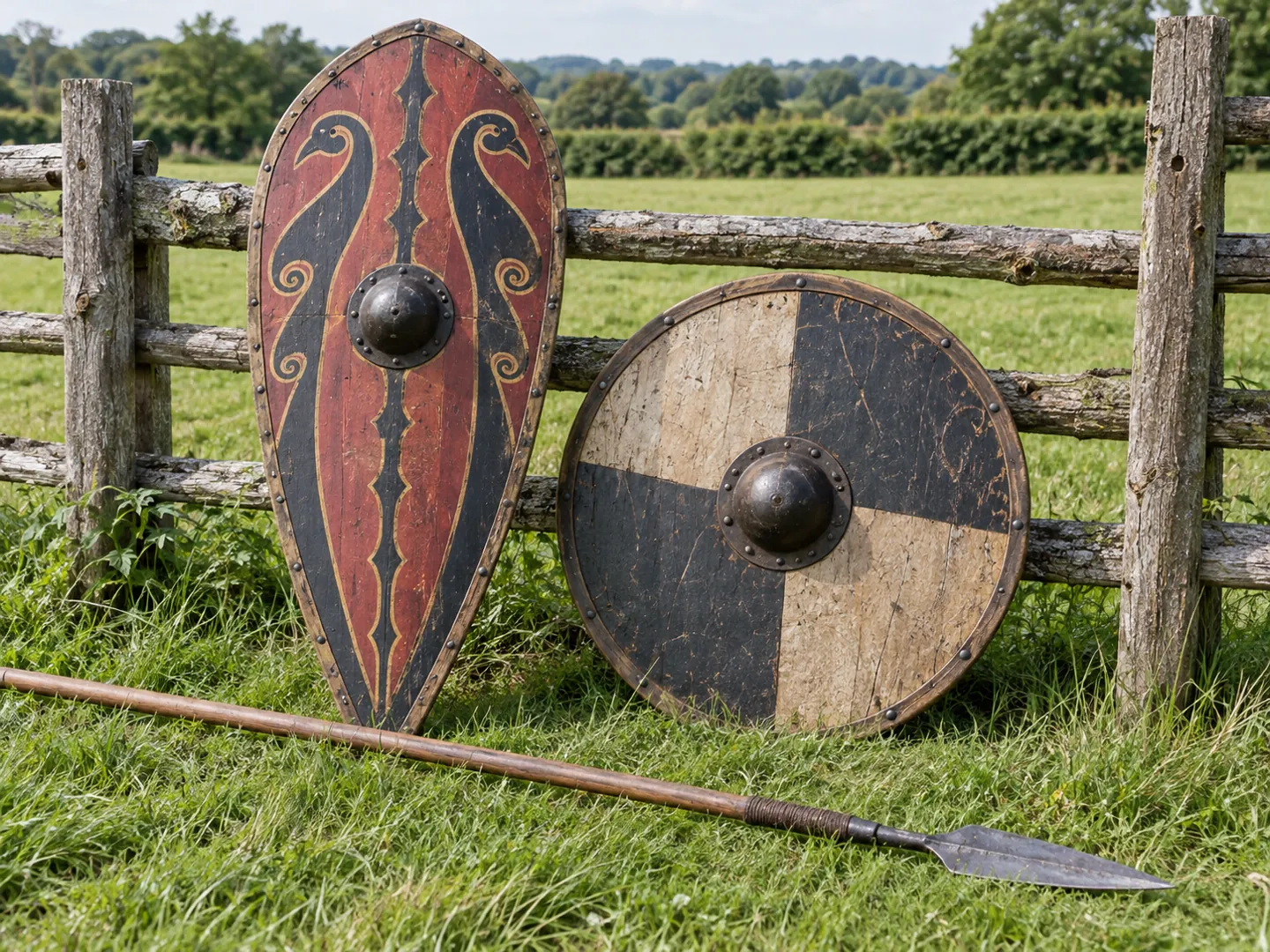
AI-generated image, not a photograph of a real person or place.
Ask who wrote it
Ask when they wrote it
Check what the ground says
History, one source at a time
THE SHORT ANSWER
Three kinds of evidence.
No single source tells the whole story. Historians weigh pictures, words and ground together.
THE TAPESTRY
A story in wool
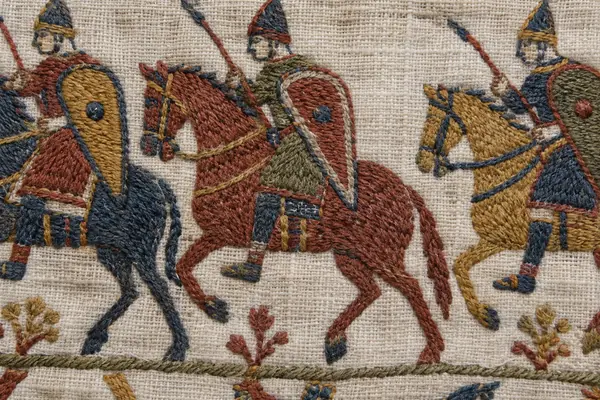
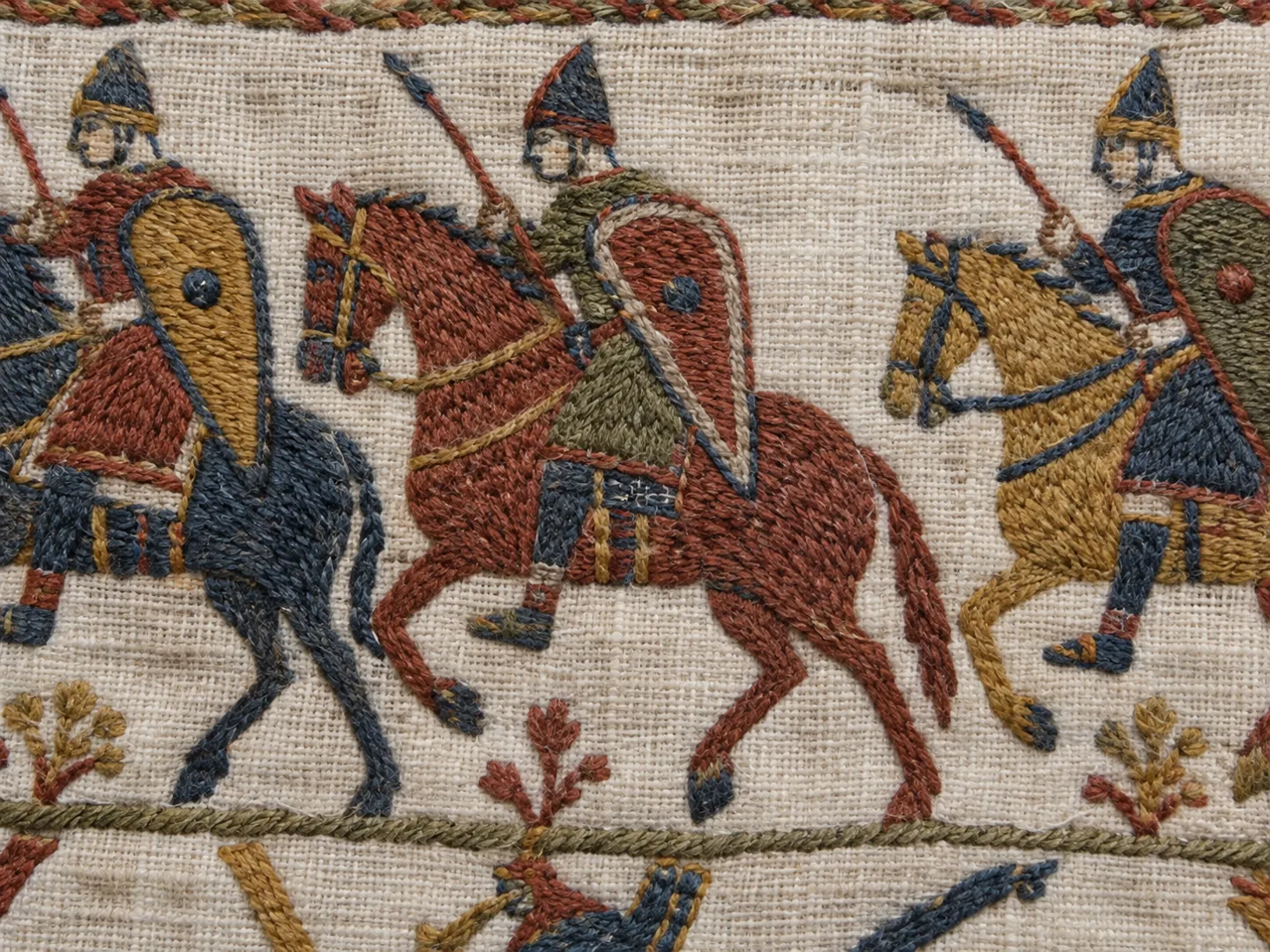
The Bayeux Tapestry is really an embroidery in wool on linen, nearly 70 metres long, probably made soon after the Conquest. It shows events from 1064 to the end of the battle.
The main written source is the chronicler William of Poitiers. Later monks at Battle Abbey wrote their own history, and English Heritage notes they forged at least two charters.
Battle Abbey was built on the ridge where Harold's army stood. Sources from the early 1100s and earlier say it marks the very spot where the fighting happened.
Choose a well-known claim about the Battle of Hastings to see how firmly the evidence backs it. The bar shows how confident historians can be.
Based on English Heritage's historical research on Battle Abbey and the Battle of Hastings.
TWO NUMBERS WORTH KNOWING
A long cloth, two big armies.
One figure on the best picture we have, one on the scale of the fighting.
≈ 70 m
Length of the Bayeux Tapestry
The Bayeux Museum says the embroidery is nearly 70 metres long and 50 centimetres high, worked in ten colours of wool on linen. It is on loan to the British Museum in London from September 2026 to July 2027.
THE TAPESTRY · BAYEUX MUSEUM
5,000–7,000
Men in each army, modern estimate
English Heritage says modern scholars suggest each army had between 5,000 and 7,000 men. The Norman side relied on a cavalry force of perhaps 2,000 to 3,000 knights and esquires.
THE ARMIES · ENGLISH HERITAGE
English Heritage notes that the Tapestry and William of Poitiers together give more information than survives for any other medieval battle, although many details remain unclear.
FOUR QUESTIONS TO ASK
Read 1066 like a historian.
These are the questions historians put to every source about the battle. They work just as well on a museum label or a documentary.
When was it written?
The Battle Abbey chronicle dates from the late 12th century, 100 years or more after the battle. Earlier accounts usually carry more weight.
Who made it, and why?
The Tapestry tells the Norman side. English Heritage notes William's half-brother probably commissioned it, and that it was not made as a definitive record.
Has it been changed?
Old objects get repaired. The famous arrow near Harold's head on the Tapestry was added in the 19th century.
What does the ground say?
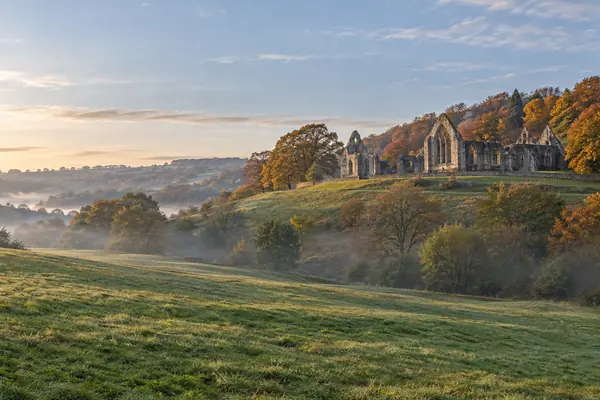
Look at the land itself. A 2013 landscape study suggested the slope south of the abbey was crossed by streams and probably marshy in 1066.
AI-generated image, not a photograph of a real person or place.AI-generated image, not a photograph of a real person or place.
THE MISSING FINDS
Why so little has been dug up.
No archaeological finds linked to the battle have been found at the abbey. English Heritage says that is partly because little digging has been done there, and partly because the acidic clay soil destroys much of what a single day leaves behind.
Building the abbey also meant terracing and levelling the ridge where much of the fighting happened, which will have disturbed most of the evidence. The battlefield is on Historic England's Register of Historic Battlefields, and its entry in the Historic England dataset dates from 6 June 1995.
Questions
Questions people ask
Where was the Battle of Hastings actually fought?
At what is now the town of Battle, about 7 to 8 miles from Hastings. English Heritage says there is good reason to be confident Battle Abbey stands on the battlefield, though the exact extent of the fighting is not known.
Is the Bayeux Tapestry really a tapestry?
No. It is an embroidery in coloured wools on a linen strip, nearly 70 metres long and 50 centimetres high. It was probably made shortly after the Conquest.
Did Harold really die from an arrow in the eye?
Possibly not. English Heritage says the sources disagree: the arrow on the Tapestry was added in 19th-century repairs, and the accounts closest to the battle describe Harold being killed by Norman knights.
Why did the battle last so long?
The armies were evenly matched. The English held a shield wall on the ridge and withstood repeated attacks; the Normans pretended to retreat to draw some of them out.
Where can I see the Bayeux Tapestry?
It normally hangs in Bayeux, Normandy. While that museum is renovated, the Bayeux Museum says it is on loan to the British Museum in London from September 2026 to July 2027.